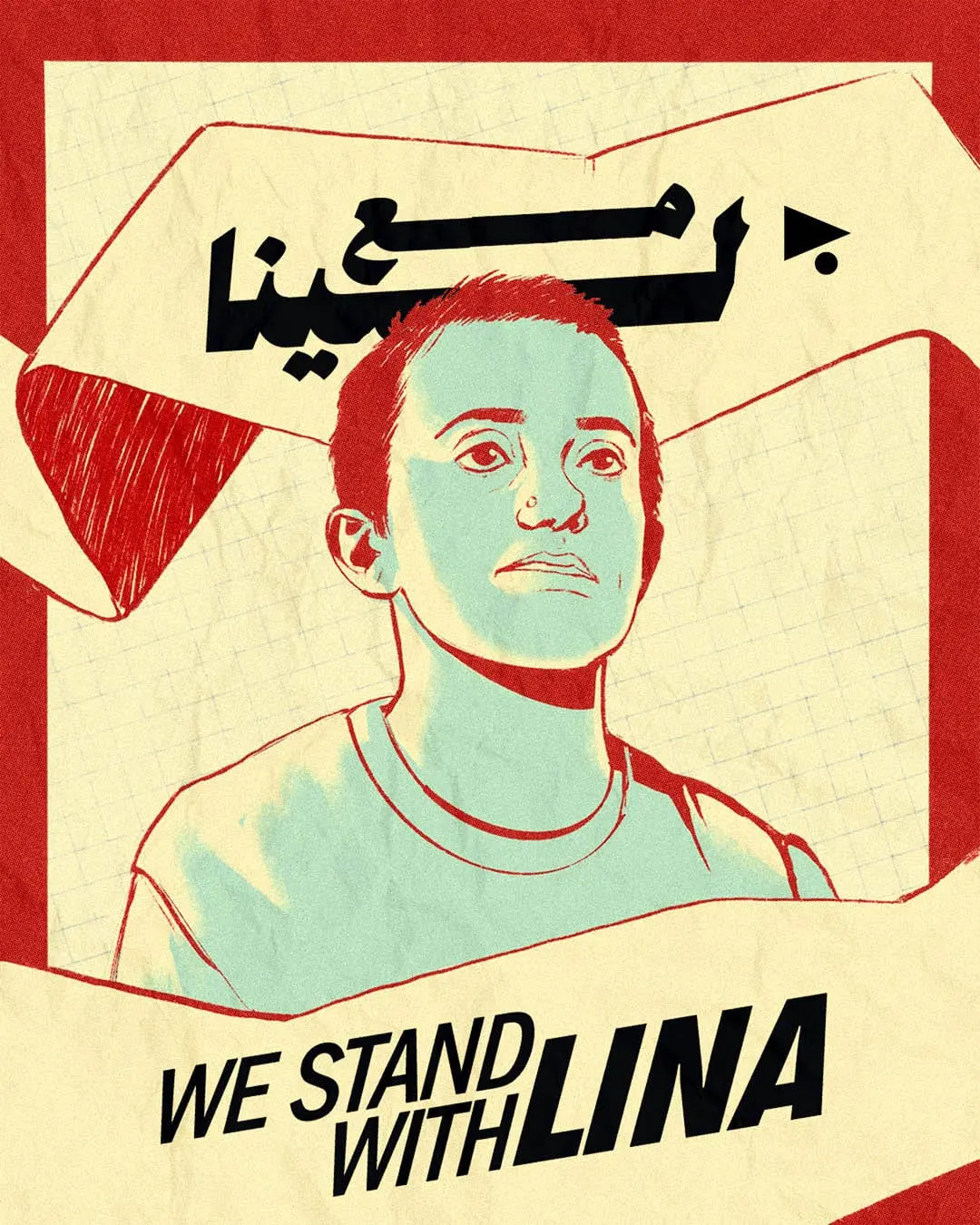
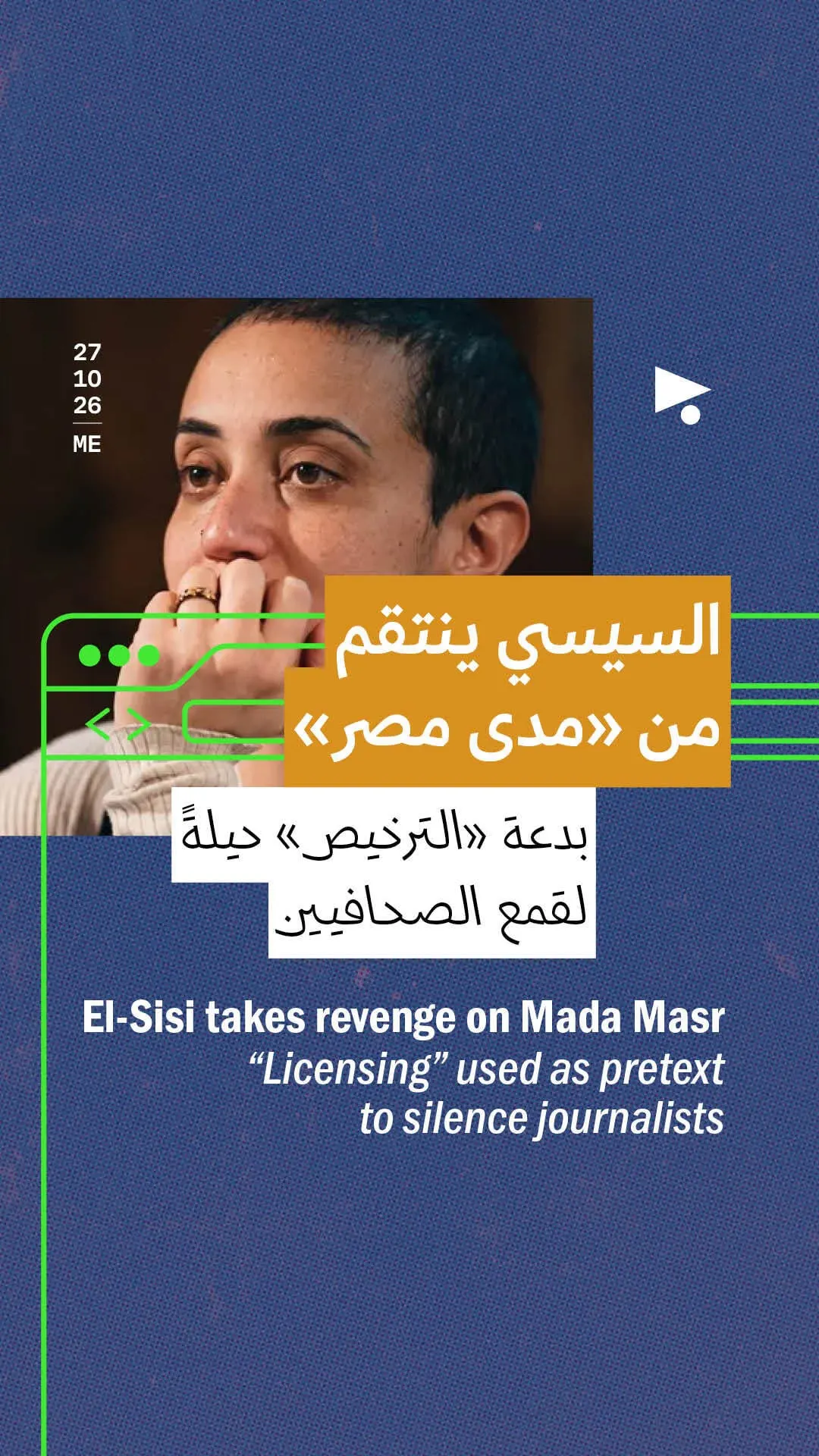
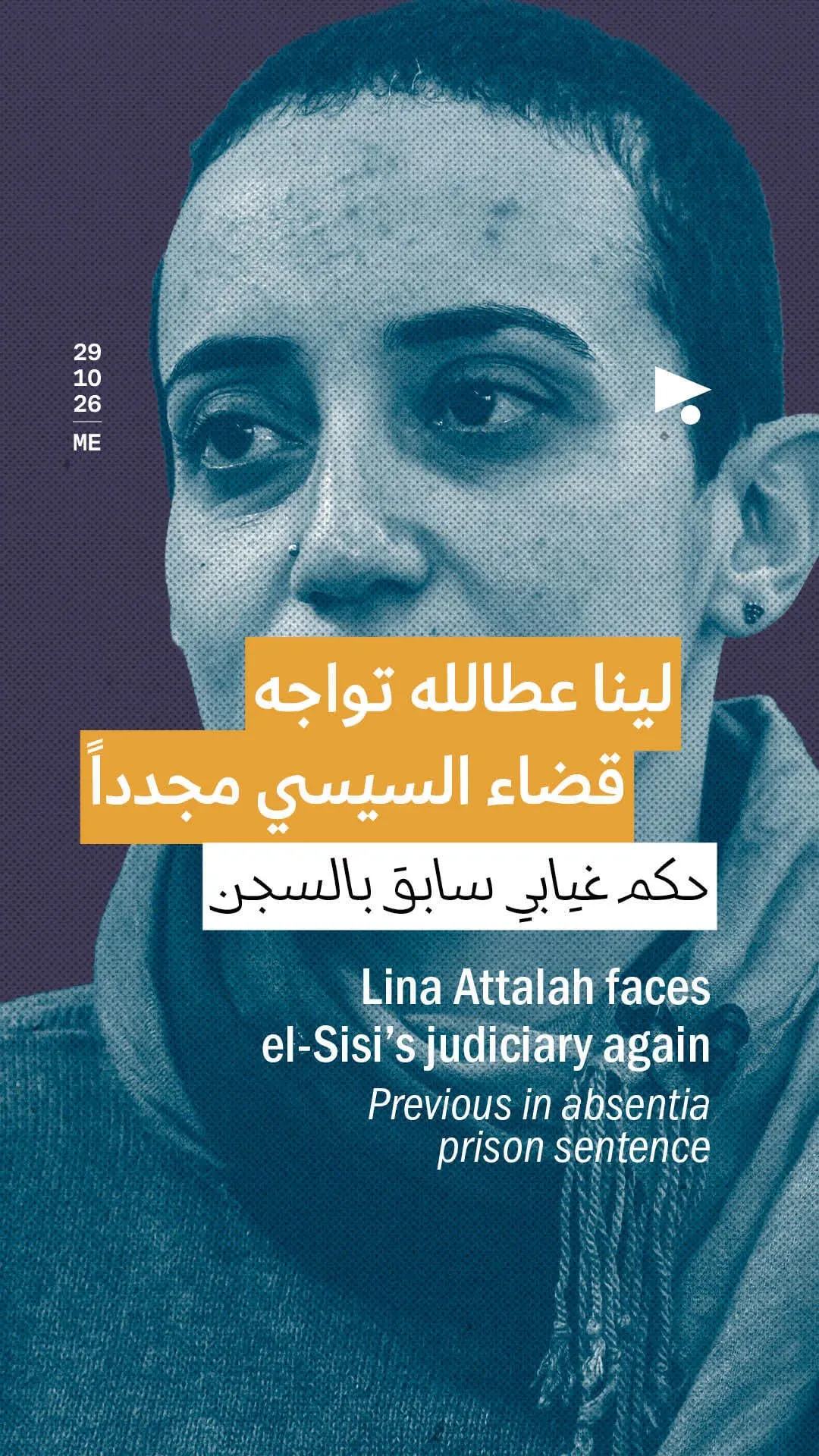
An Egyptian court on Tuesday ordered the closure of Mada Masr and the confiscation of its equipment, and fined editor-in-chief Lina Attalah three million Egyptian pounds (around $54,000) which is the maximum penalty. Lina Attalah was charged with operating a website without a license. Security forces then detained her and escorted her out of the courtroom.
The trial proceedings drew objections from the defense team. Judge Mohamed Mubarak refused to give lawyers time to review the case files and ordered the courtroom cleared, before plainclothes security personnel and a National Security officer entered. The judge also appointed an unknown lawyer despite the presence of eight lawyers representing Attalah. He personally recorded requests attributed to the court-appointed lawyer, who did not utter a word, before announcing the verdict amid objections from the defense.
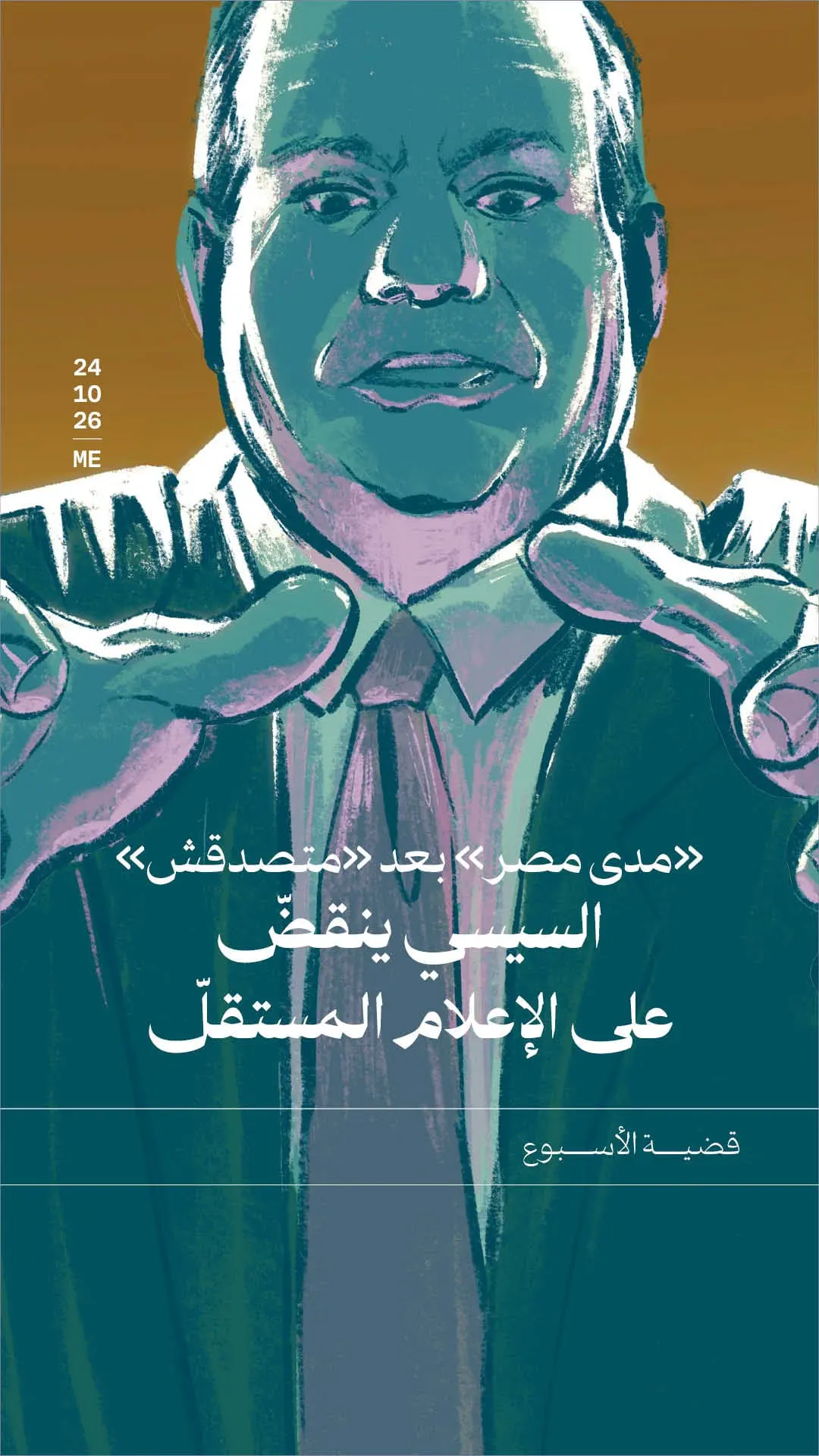
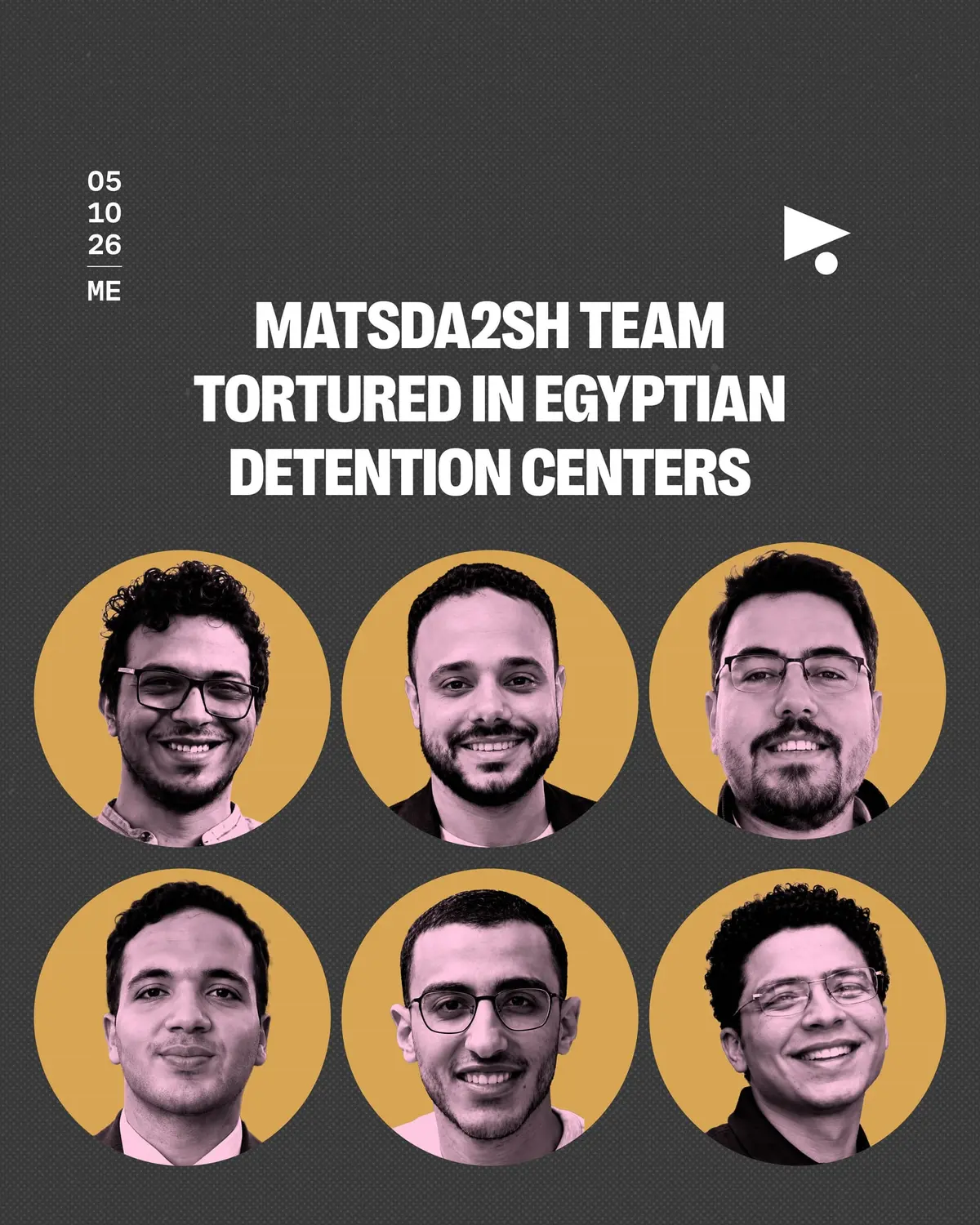
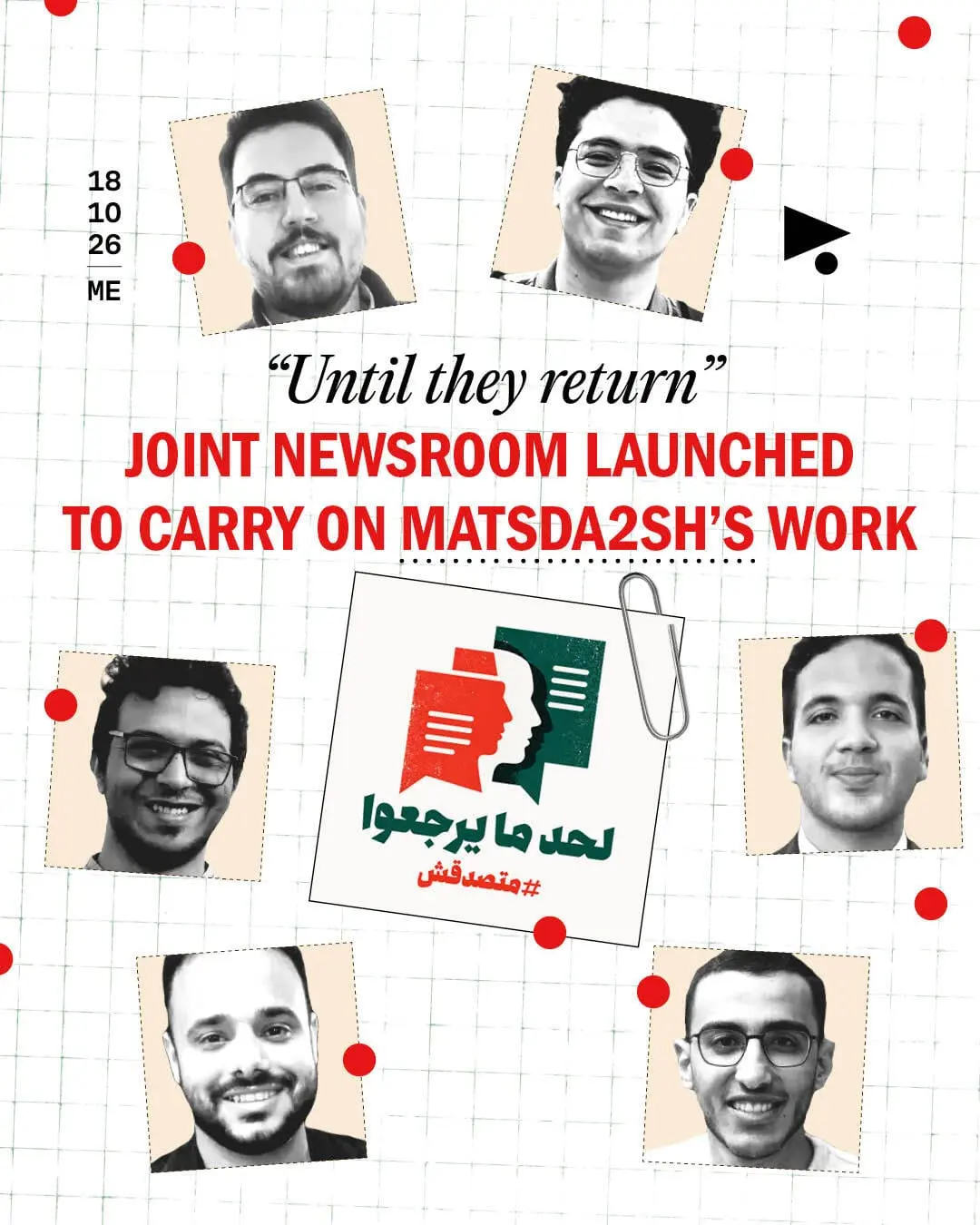
El-Sisi’s courts put Attalah on trial over a license that the Supreme Council for Media Regulation refused to grant Mada Masr for eight years, despite the outlet submitting three applications. The escalation is part of the el-Sisi regime’s crackdown on independent journalism, following the arrest of the entire Matsda2sh team last month.
The government is holding firm on the gasoline tax while avoiding reform of a tax system that shields the wealthy. What fairer alternatives exist, and why has no one implemented them?
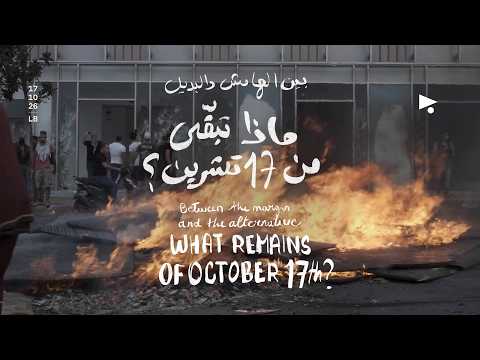
Seven years after October 17, the popular uprising continues to haunt the Free Patriotic Movement. It was the uprising that brought down the presidential settlement, declaring the crisis of the Lebanese system. But beyond the Aounist obsession with it, no one remembered the October 17 uprising this year, especially after years of crises, collapses and wars that turned it, at best, into the last attempt to protest against a system that was already falling apart.
On its seventh anniversary, October 17 has become more like a ghost, a “living-dead” experience suspended in time. It is unclear whether we should mourn it or bring it back to life, remember it with nostalgia or harshly criticize it. October 17 has become part of the museum of ghosts that now serves as the backdrop to Lebanese politics, from one ghost to another, to the ghost of a country that itself has become more like a “living-dead” being.
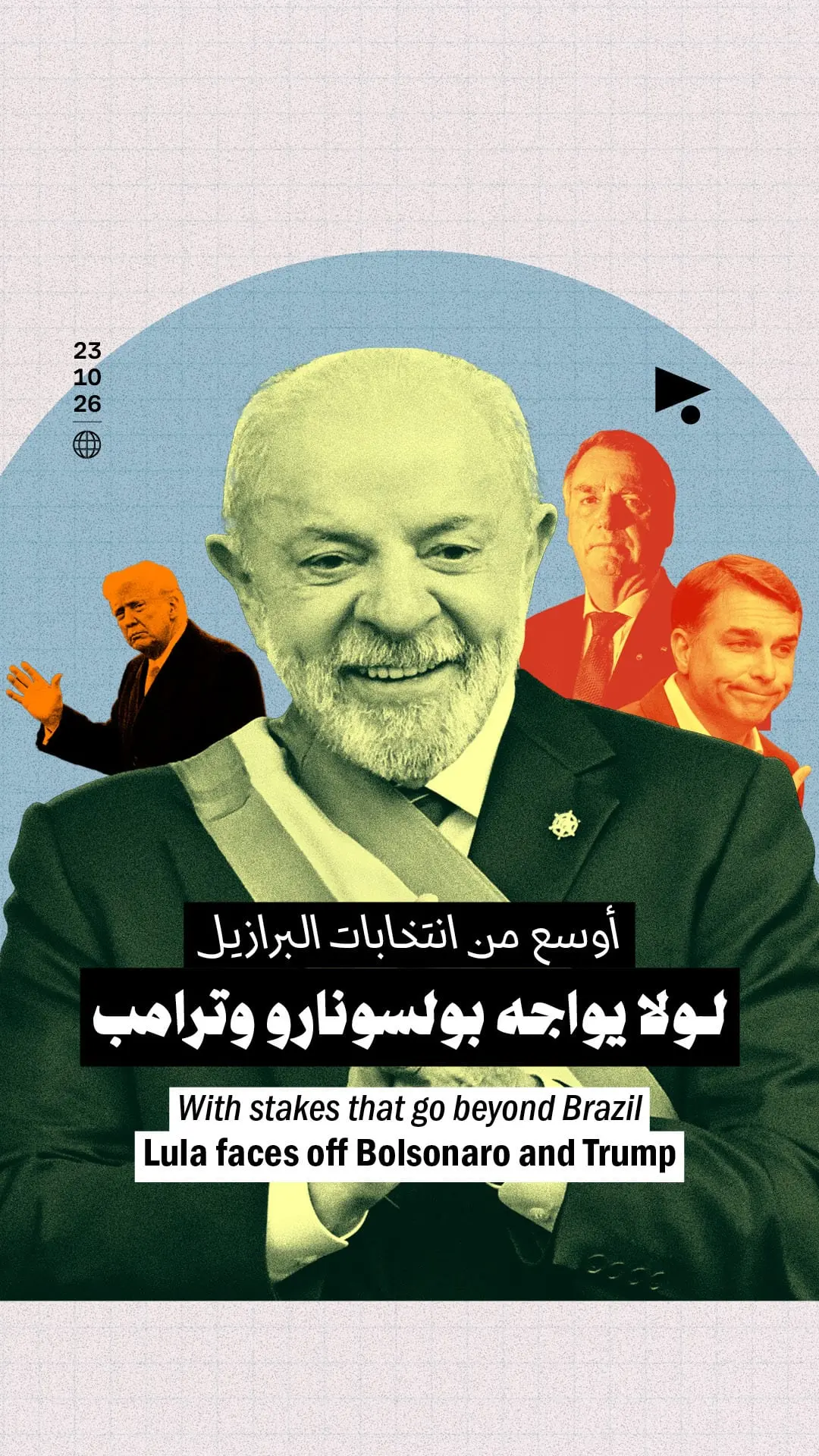
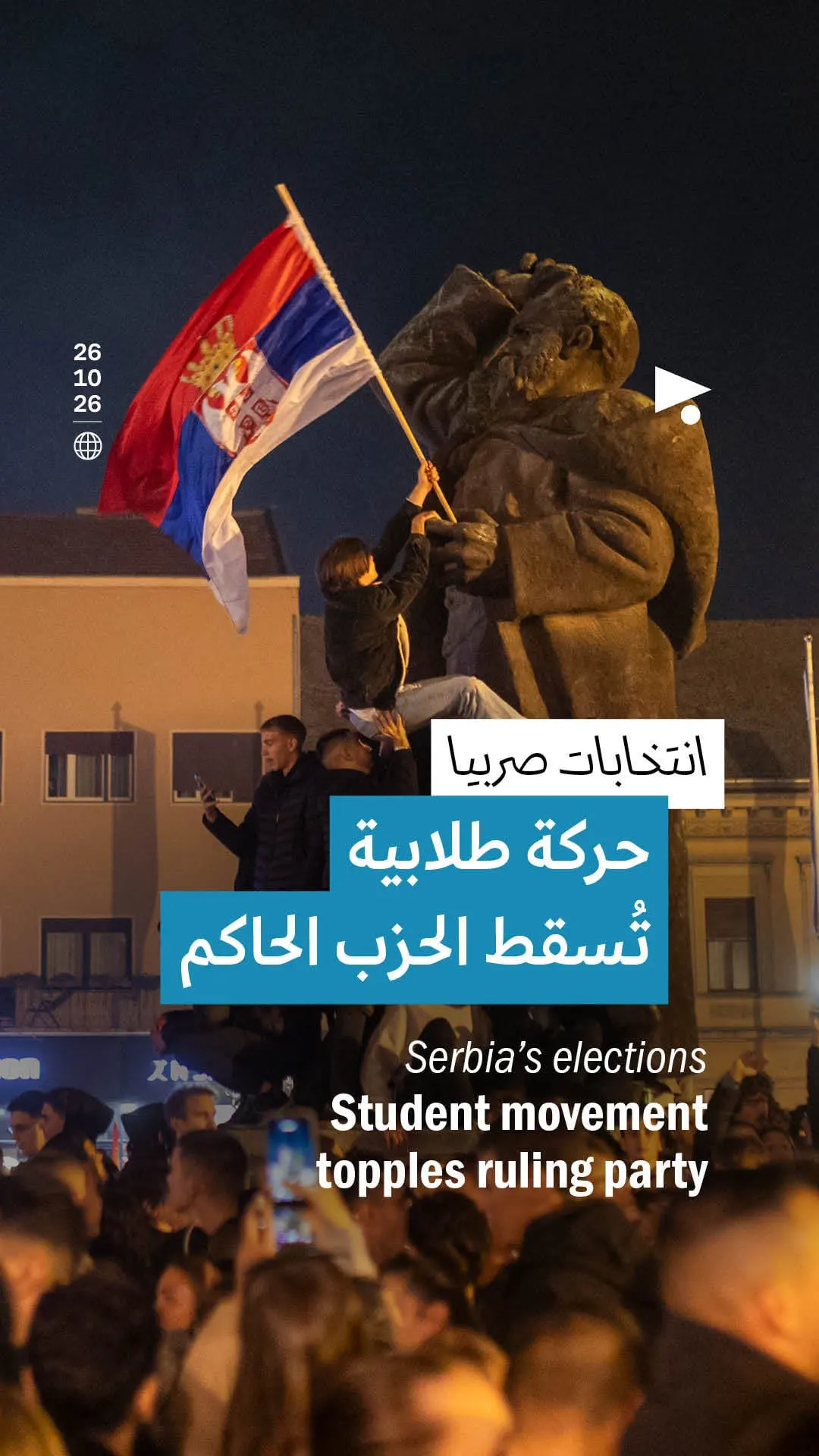
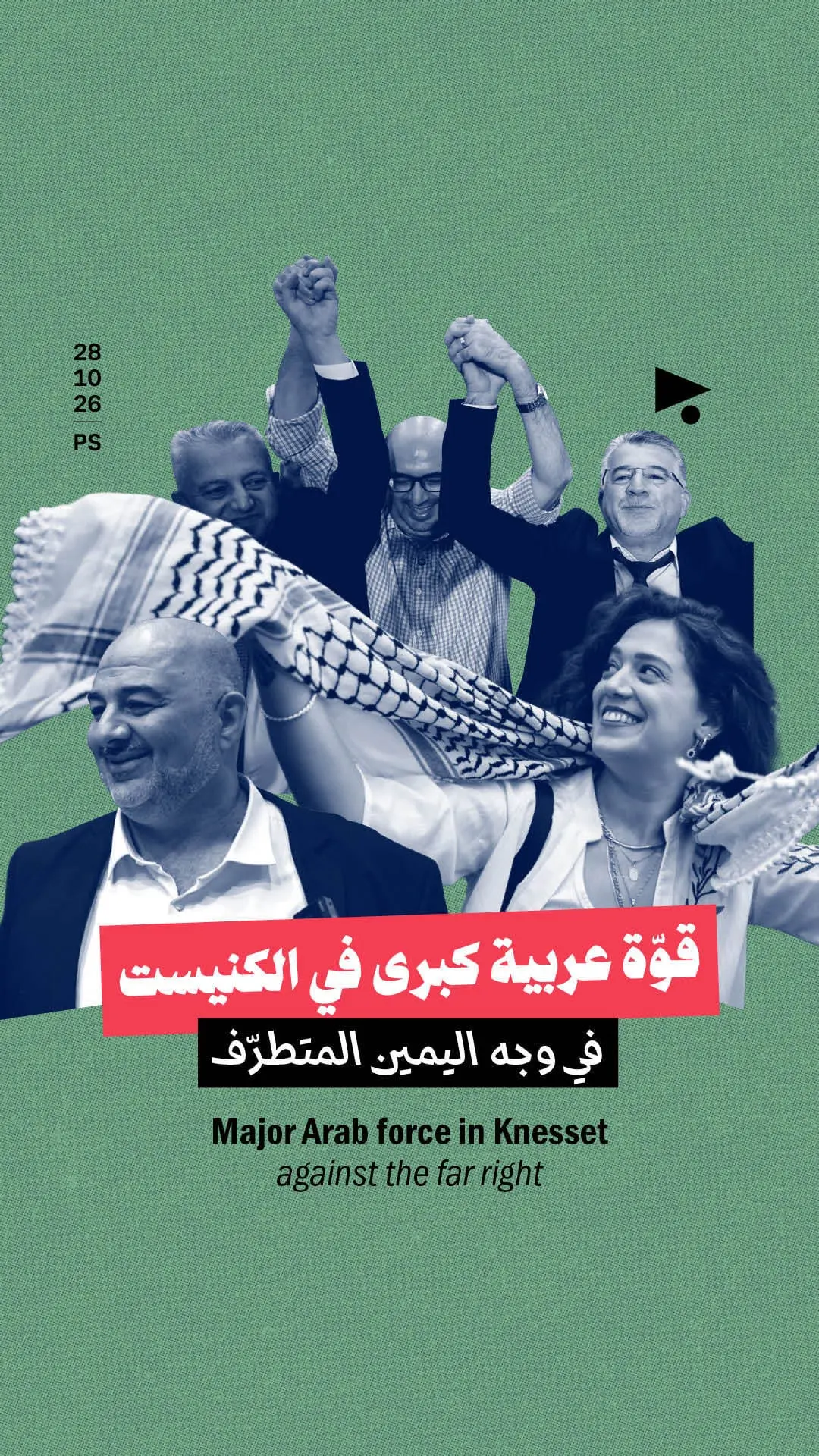
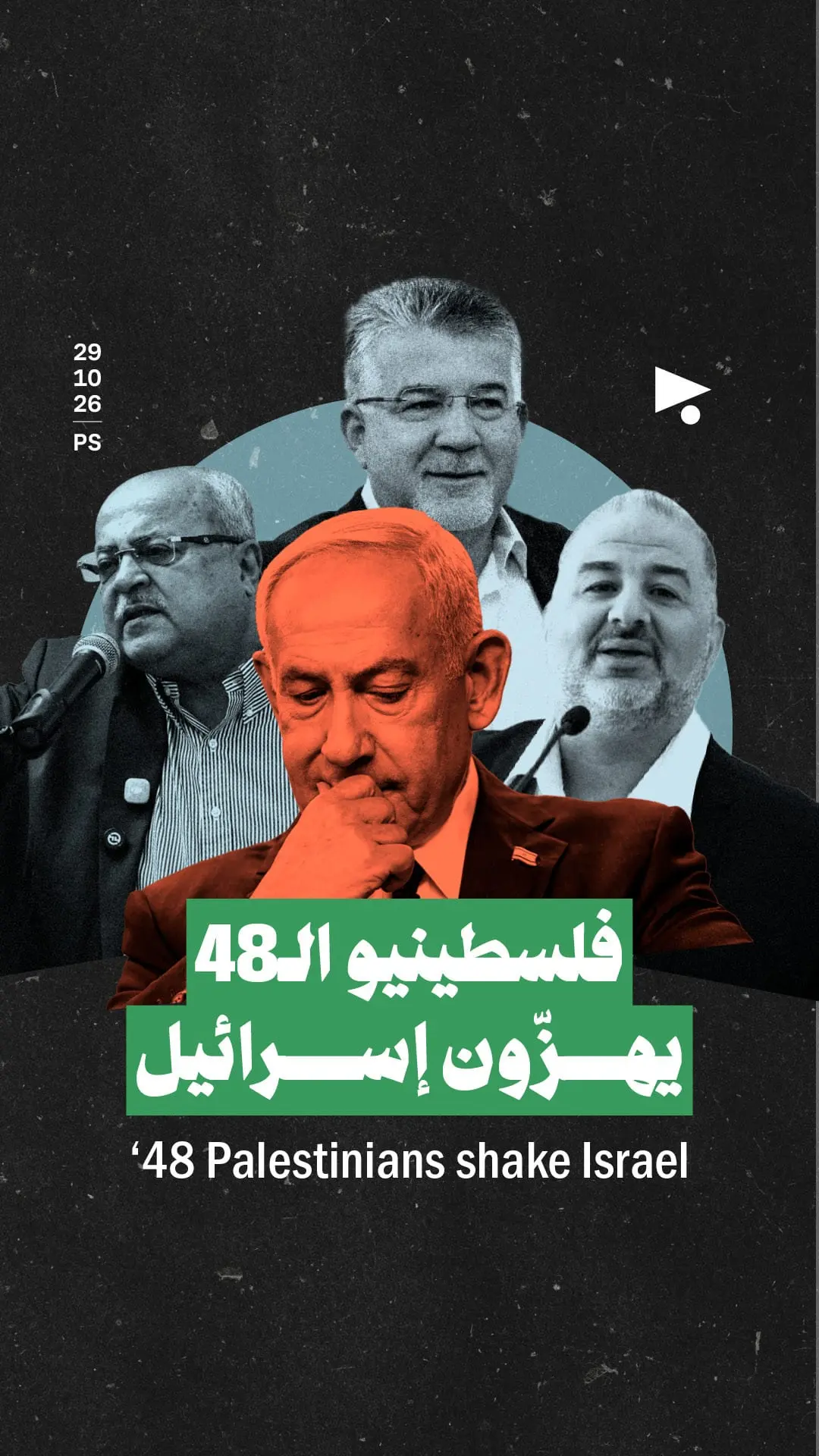
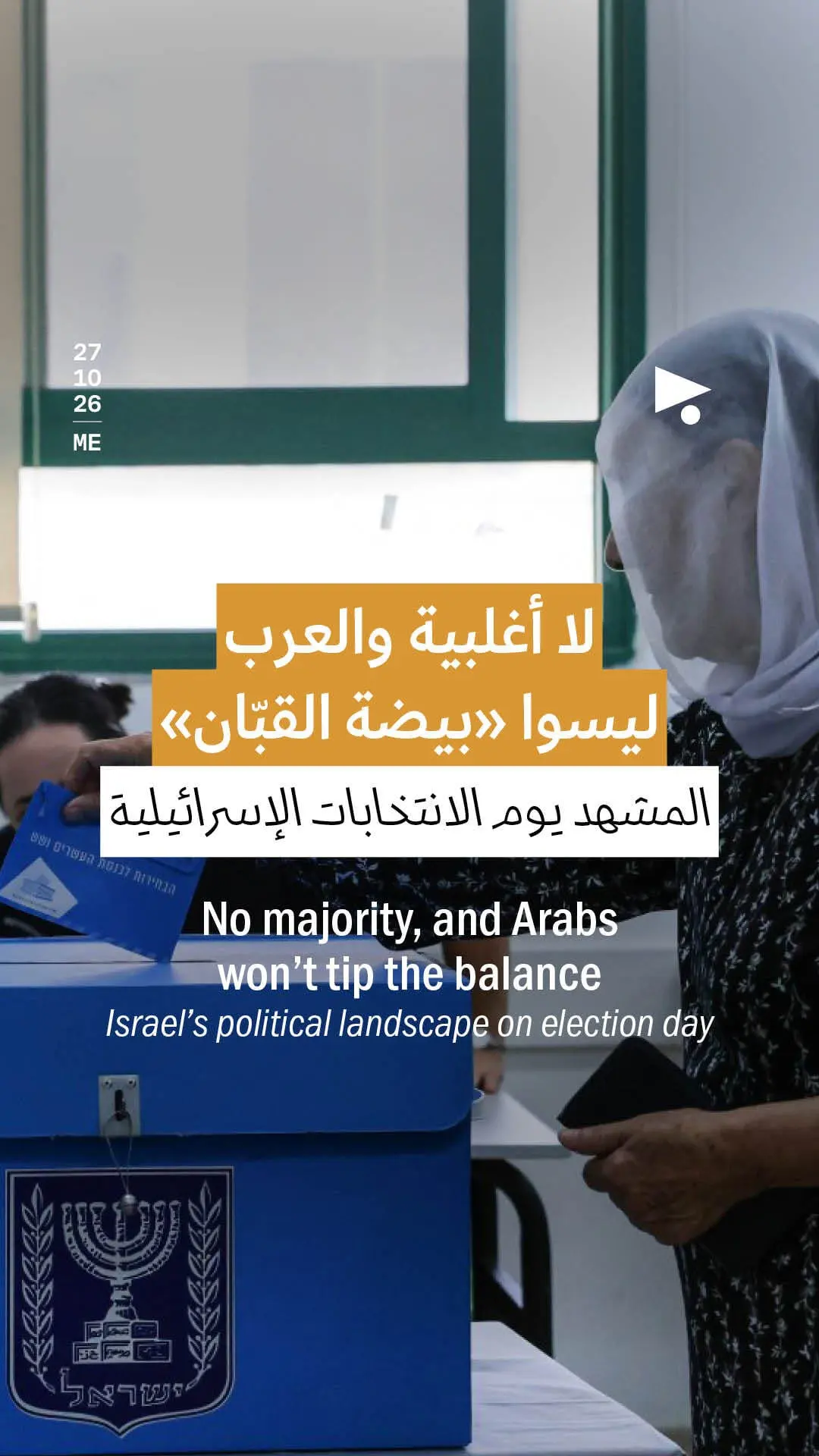
Three key elections were held in recent days, in Brazil, Serbia and Israel. The first two stemmed the tide of rising far-right movements and fascism across the globe. In the third, Benjamin Netanyahu came out on top but fell short of an absolute majority. This electoral stretch concludes in the United States, where this Tuesday’s midterm elections will serve as a referendum on ‘Trumpism.’
 Megaphone NewsNewsletter